

Where Bright Ideas
Come to Life!
Come to Life!
Voltage drop is a concept that may not immediately come to mind when thinking about electrical systems, but it plays a crucial role in the performance and efficiency of electrical circuits.
Whether you're a homeowner, electrician, or engineer, understanding voltage drop is essential to ensuring that electrical systems function as intended.
In simple terms, voltage drop refers to the decrease in voltage that occurs in an electrical circuit as electricity travels from the source to the load. This reduction happens due to the inherent resistance of the wires, cables, or components that carry the electricity.
Like water flowing through a garden hose that experiences pressure loss due to friction, electricity loses some of its energy due to the resistance in the wiring, leading to a voltage drop.
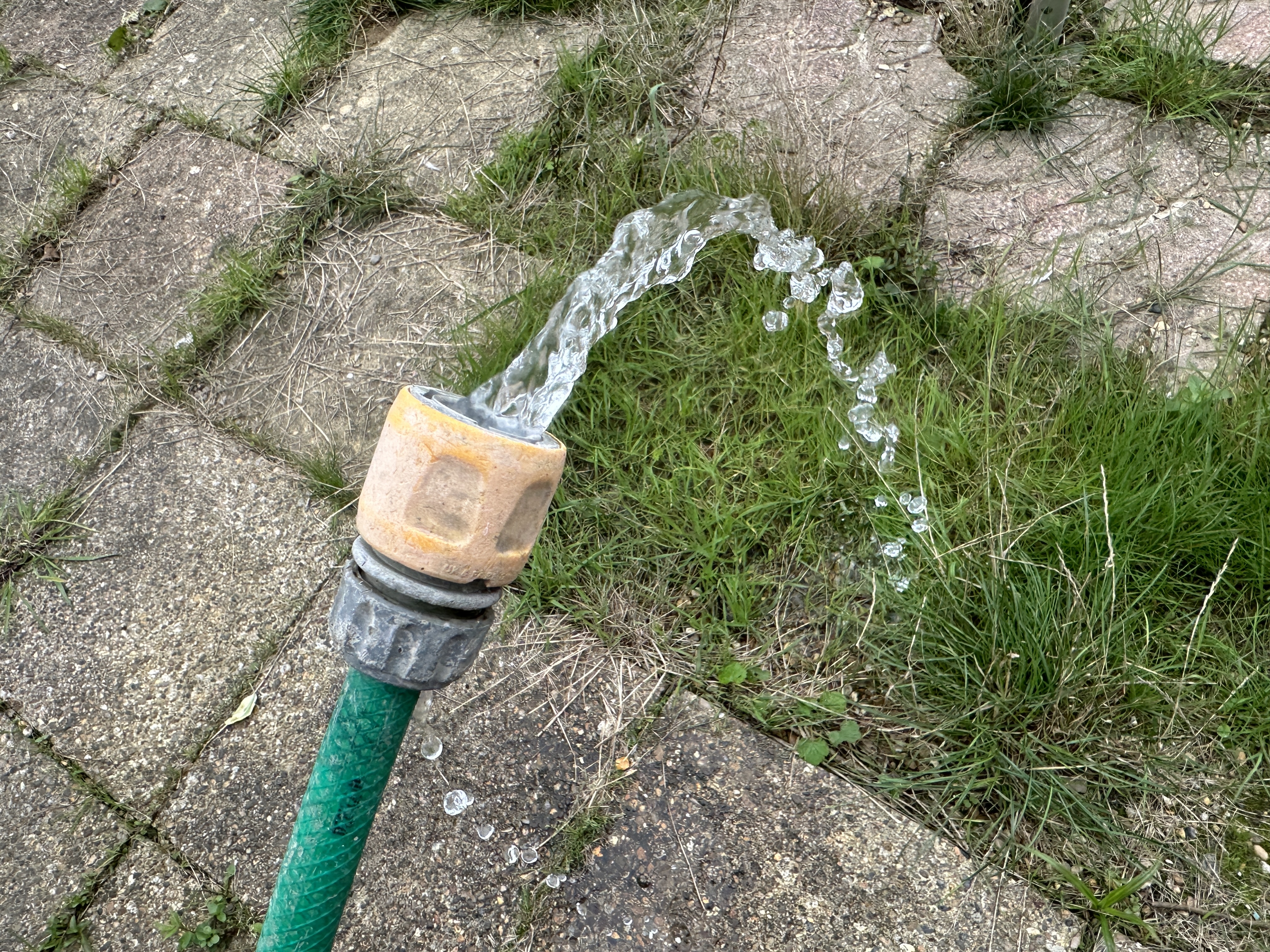
Let’s dive deeper into what voltage drop is, why it matters, how to calculate it, and ways to reduce its impact.
Every material that conducts electricity offers some degree of resistance to the flow of electric current. Even copper and aluminum wires—common materials in electrical systems—are not perfect conductors, meaning they resist the flow of electricity to some extent.
This resistance results in the conversion of some electrical energy into heat, which causes a reduction in voltage. This reduction is referred to as voltage drop. In practical terms, the longer the wire and the higher the current, the greater the voltage drop.
There are three key factors that contribute to voltage drop:
Voltage drop can have a range of consequences, some of which may lead to equipment malfunction, safety hazards, or simply inefficient electrical systems. Here are some reasons why voltage drop is a critical factor:
Understanding and managing voltage drop ensures that electrical systems run efficiently, safely, and at the correct capacity.
Calculating voltage drop allows you to anticipate potential issues and make informed decisions about wire size, material, and layout. Various methods exist to calculate voltage drop depending on the variables you know.
Here are three common formulas:
By using these formulas, electricians and engineers can predict the voltage drop for any circuit and take appropriate action to avoid excessive losses.
If you’re experiencing significant voltage drops or want to design a system with minimal losses, there are several strategies you can employ to reduce the impact:
Voltage drop is a practical concern in various real-world applications, especially where power is distributed over long distances.
Here are two common examples:
In large factories or warehouses, machines or electrical devices are often located far from the main power source. This distance can result in significant voltage drop, especially for equipment with high power demands like motors, conveyor belts, or automated machinery.
Electricians need to ensure that voltage drop is minimized to avoid performance issues and downtime.
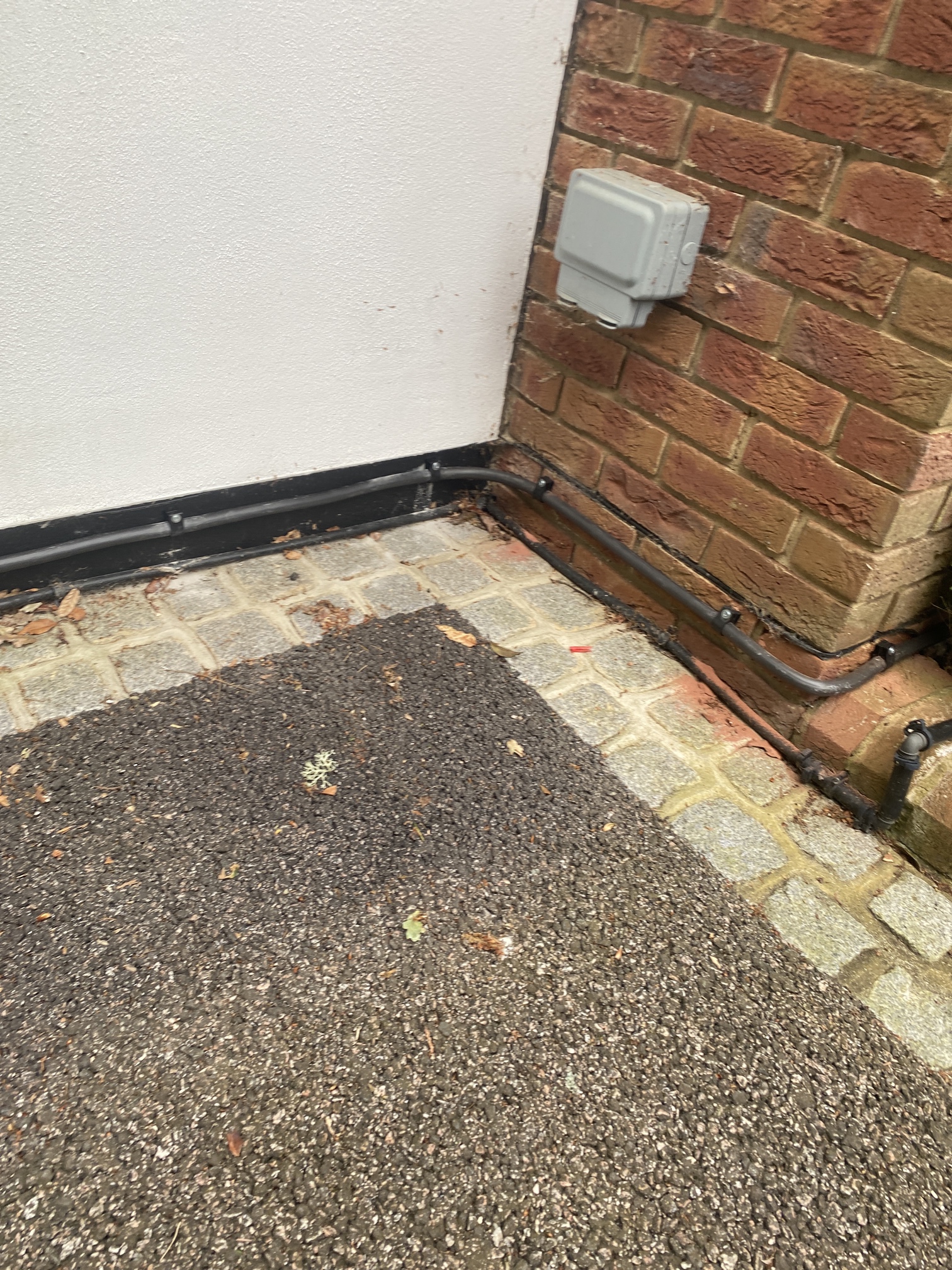
Whether you're installing lighting in a large garden, powering tools in a shed, or running electricity to remote outbuildings, installing a car charging point, voltage drop is a key factor to consider. Long cable runs for outdoor lighting or appliances can lead to noticeable drops in voltage, especially if the wiring isn't adequately sized. In these cases, electricians may need to use larger wires or higher voltage systems to prevent excessive losses.
Voltage drop is an inevitable part of any electrical circuit, but it can be managed with proper planning and attention to detail. Understanding the causes and consequences of voltage drop is essential for electricians, engineers, and even homeowners who want their electrical systems to perform reliably and efficiently.
By calculating voltage drop and taking steps to reduce it—whether by shortening circuit runs, using larger wires, or selecting efficient equipment—you can ensure your system operates smoothly, safely, and cost-effectively.
Remember, just because someone with less training and experience who happens to be armed with a basic multimeter could take longer to identify an issue, it doesn’t mean they provide better value for money. Expertise matters, especially when it comes to preventing costly voltage drop issues in the first place.
To book your survey or receive a free bespoke quotation from a knowledgeable Bright Spark Electrician, simply fill out our form here.
For further inquiries, reach out to us via telephone at 01892 531728 or email at karen@brightsparkelectrician.co.uk.
Karen was amazing I can not recommend her highly enough she went over and above my expectations and was indeed a bright spark to my day and helped with love ❤
Karen and her team of electricians are super responsive, very professional, and I love how they book an exact time and appointment with a follow-up confirmation text and email. I feel very confident in the quality of workmanship and know they will go out of their way to fix any electrical issues in my home!
I have always found Karen and her team at Bright Spark to be friendly, professional and reliable. Their quotes have been reasonably priced and provide a thorough breakdown of costs for replacements parts and labour. I highly recommend them.
This company was recommended by some people on the Nextdoor website. I wanted new lights installed in my kitchen, dining room and conservatory. Karen got back to me within minutes of my email and both Electricians proved to be efficient, friendly and tidy workmen. I will be keeping their business card handy for future use.
Phil, from Bright Sparks arrived promptly, was really polite, cracked on with his job and gave us a really good brief on what he'd done and why it was needed which was then followed up with a thorough report. Bright Sparks have been absolutely superb and not only are they saved in my phone but also I'd recommend them to friends and family. Thanks guys. P.s. you were up front and transparent about costs too.


