

Where Bright Ideas
Come to Life!
Come to Life!
In the UK, electrical safety is a paramount concern, particularly in residential and commercial installations. Various circuit protection devices are utilized to prevent overloads, short circuits, and electrical shocks. Among these devices are Miniature Circuit Breakers (MCBs), Residual Current Devices (RCDs), and Residual Current Breaker with Overcurrent Protection (RCBOs). This article will delve into the different types of circuit protection devices available in the UK, their amp ratings, maximum wattage, and their functions, providing a comprehensive overview of how they contribute to electrical safety.
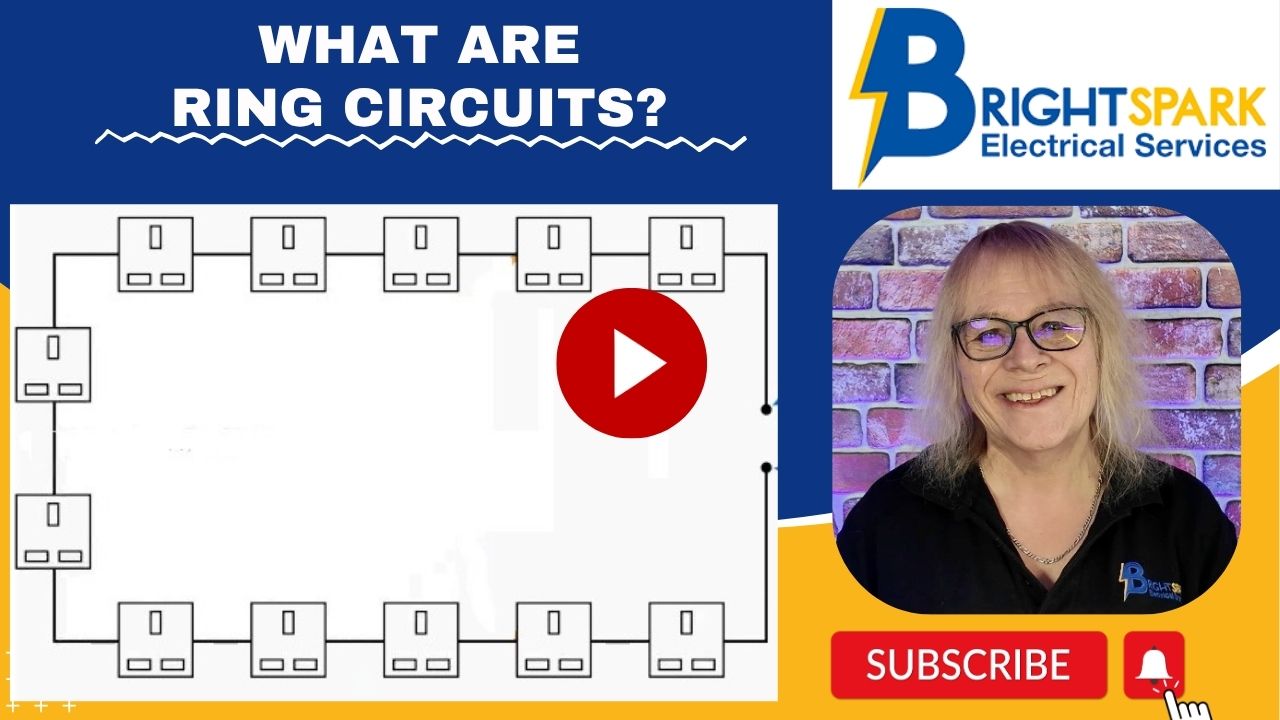
1.1 Miniature Circuit Breakers (MCBs)
Definition: Miniature Circuit Breakers (MCBs) are automatic switches that protect electrical circuits from overload and short-circuit conditions. Unlike traditional fuses, they can be reset after tripping, eliminating the need for replacement.
Amp Ratings: MCBs can have different ratings, which generally range from 6 Amps (A) up to 63A. The choice of amp rating depends on the intended application and the load being protected.
Maximum Watts: To calculate the maximum wattage that each MCB can handle, you can use the formula:
[{Power (Watts)} = {Current (Amps)} times {Voltage (Volts)} ]
In the UK, the standard voltage is 230 Volts. Using this standard, the maximum wattage for different MCB ratings can be calculated as follows:
1.2 Residual Current Devices (RCDs)
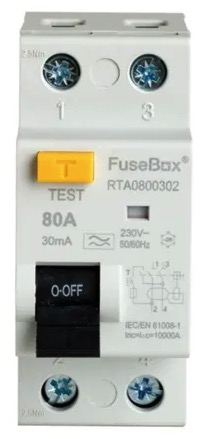
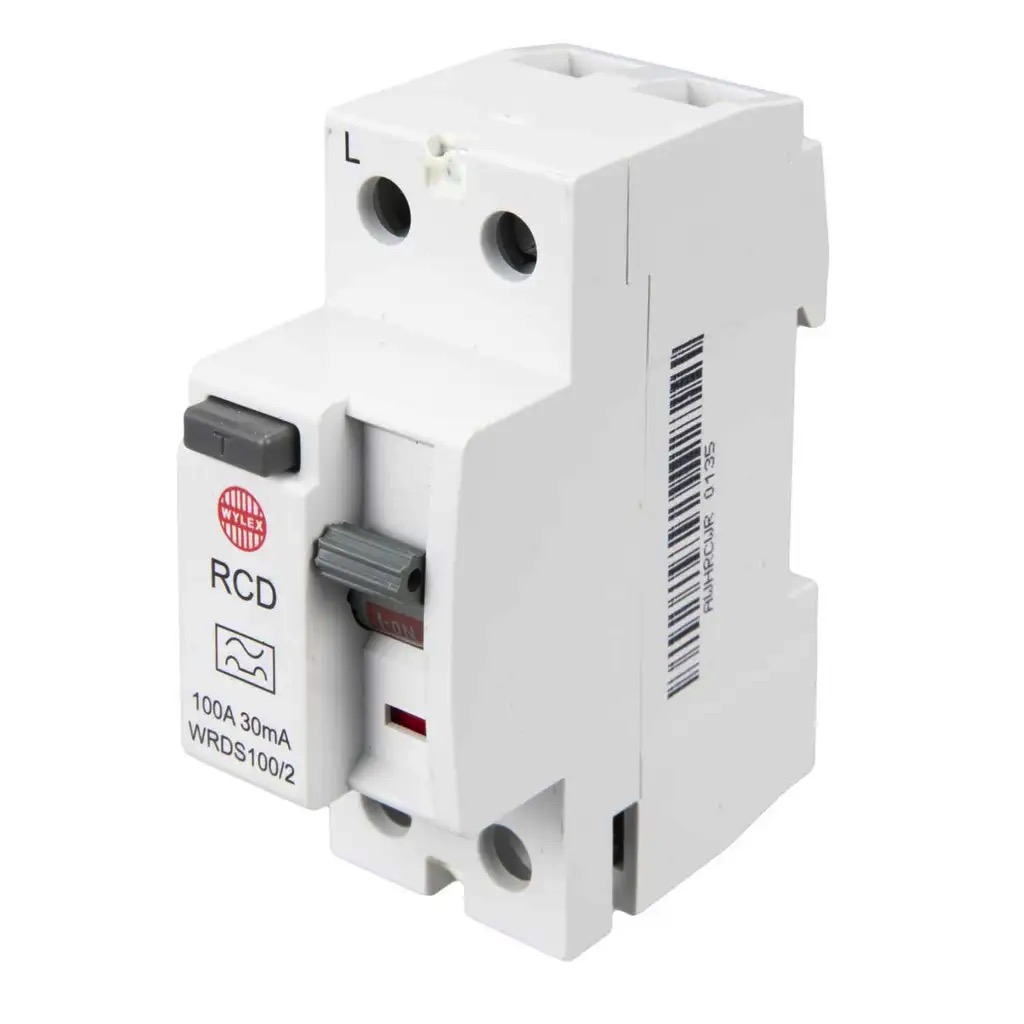
Definition: RCDs provide protection against electric shock caused by direct or indirect contact and also prevent earth faults. They do this by monitoring the current flowing through live and neutral wires and tripping the circuit if an imbalance is detected, which could signify a fault.
Amp Ratings: RCDs typically come with several common ratings, including 16A, 30A, 40A, and 63A. RCDs are often used in conjunction with MCBs for enhanced safety.
Maximum Watts: As with MCBs, the maximum wattage of RCDs can be calculated using the same formula based on the voltage:
1.3 Residual Current Circuit Breakers with Overcurrent Protection (RCBOs)
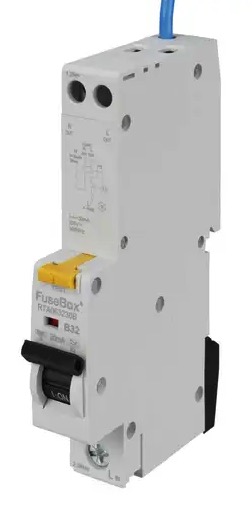
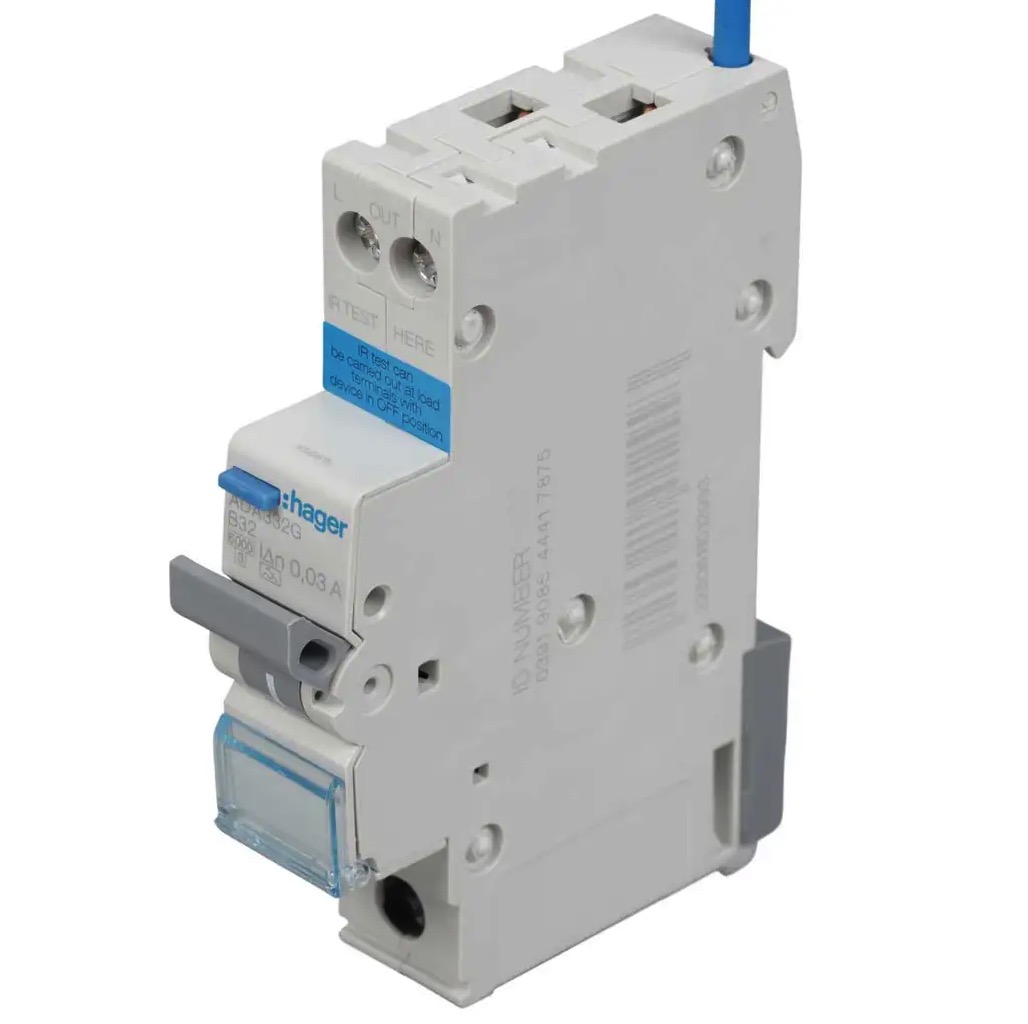
Definition: RCBOs combine the functions of MCBs and RCDs, offering protection against both overcurrent (overload and short circuit conditions) and earth faults. They provide a more comprehensive solution for electrical safety and are increasingly popular in modern installations.
Amp Ratings: Like MCBs and RCDs, RCBOs are available in various amp ratings, commonly ranging from 6A to 32A.
Maximum Watts: The maximum wattage for RCBOs also follows the same calculation method:
Summary of Circuit Protection Devices in the UK
|
Device Type |
Amp Rating |
Max Power (Watts) |
|
MCB (6A) |
6A |
1380W |
|
MCB (10A) |
10A |
2300W |
|
MCB (16A) |
16A |
3680W |
|
MCB (20A) |
20A |
4600W |
|
MCB (32A) |
32A |
7360W |
|
MCB (40A) |
40A |
9200W |
|
MCB (63A) |
63A |
14490W |
|
RCD (16A) |
16A |
3680W |
|
RCD (30A) |
30A |
6900W |
|
RCD (40A) |
40A |
9200W |
|
RCD (63A) |
63A |
14490W |
|
RCBO (6A) |
6A |
1380W |
|
RCBO (10A) |
10A |
2300W |
|
RCBO (16A) |
16A |
3680W |
|
RCBO (20A) |
20A |
4600W |
|
RCBO (32A) |
32A |
7360W |
Understanding the functions of MCBs, RCDs, and RCBOs can help clarify their critical roles in maintaining electrical safety.
2.1 Miniature Circuit Breakers (MCBs)
2.2 Residual Current Devices (RCDs)
 .
. 
2.3 Residual Current Circuit Breakers with Overcurrent Protection (RCBOs)

In the UK, electrical installations must comply with the IET Wiring Regulations, commonly known as the 18th Edition of the IET Wiring Regulations (BS 7671). These regulations specify the types of circuit protection devices to be used according to the environment, type of electrical system, and the application.

Consumer units (formerly known as fuse boxes) often contain a combination of MCBs and RCDs. The layout and configuration are designed to offer adequate protection based on the expected load and usage.
When installing circuit protection devices, compliance with relevant standards is essential. Qualified electricians ensure that all devices installed in residential and commercial properties meet these standards, enabling safe operation. Devices should be certified and display the relevant conformity marks to confirm compliance with the standards.
Choosing the appropriate circuit protection devices for a specific application is vital for ensuring safety and performance. Here are some key factors to consider during the selection process:
4.1 Determine the Load Requirements
Begin by assessing the total load of circuits. Calculate the wattage of all devices to be connected to the circuit. It’s essential that the selected circuit protection device can handle the total amperage while providing sufficient headroom to avoid continuous tripping.
For instance, if the total load on a circuit is estimated to be:
[{Total Load (Watts)} = {Device 1 (W)} + {Device 2 (W)} + {Device 3 (W)} ]
When these devices are connected, you can determine the required amperage with:
[ {Amps} = {{Total Load (Watts)}}using {230V} ]
This calculation will guide the selection of the most suitable MCB or RCBO.
4.2 Match the Circuit Protection Device with Appropriate Ratings
Once you have the calculated amperage, select an appropriate device. Ratings should always exceed the maximum expected current to accommodate potential surges or temporary loads.
4.3 Consider RCD or RCBO Protection
For circuits where the risk of electric shock is prevalent (such as those in wet areas or outdoor circuits), incorporating RCDs or RCBOs is necessary.
4.4 Evaluate the Type of Loads and Wiring System
The nature of the connected load may influence the type of circuit protection device. For example:
Furthermore, ensure that the wiring system complies with regulations and is capable of handling the maximum rated current of the selected components.
To maintain a safe electrical system, regular maintenance and testing of circuit protection devices are critical.
5.1 Routine Inspections
Regular inspections of circuit breakers and RCDs should be carried out. Inspect for any visible signs of wear or damage, such as discoloration or corrosion.
5.2 Testing RCDs
Most RCDs come with a test button (often labelled “T”) that should be pressed quarterly to ensure the device operates correctly. If the RCD does not trip when tested, it may need to be replaced.
5.3 Professional Testing
Consider hiring a qualified electrician to conduct a more in-depth inspection and testing of your entire electrical system periodically. This includes checking the integrity of all circuit protection devices, ensuring that they operate when required.
6.1 Circuit Breakers Tripping
Frequent tripping of MCBs or RCBOs can be caused by:
6.2 RCD Not Resetting
If an RCD does not reset after a trip:
In the UK, circuit protection devices such as Miniature Circuit Breakers (MCBs), Residual Current Devices (RCDs), and Residual Current Circuit Breakers with Overcurrent Protection (RCBOs) play a fundamental role in ensuring electrical safety and compliance with regulations.
Understanding the amp ratings and maximum wattage of these devices is crucial for both residential and commercial electrical installations. By effectively utilizing MCBs, RCDs, and RCBOs, you can mitigate the risks of electrical overloads, short circuits, and electric shocks, ensuring a safer living and working environment.
In conclusion, the necessity of circuit protection devices cannot be overstated in today's electrically dependent society. Knowledge about MCBs, RCDs, and RCBOs provides individuals, homeowners, and professionals with the tools needed to ensure electrical integrity, safety, and compliance. A well-implemented circuit protection strategy not only protects your devices and installations but also serves as a critical line of defense in reducing the risk of electrical hazards.
Whether you are considering an upgrade to your existing electrical system or setting up new circuits, understanding the differences, applications, and ratings of circuit protection devices enables you to make informed decisions that contribute to safer electrical installations. By prioritizing safety and compliance, you safeguard your investments and, more importantly, the well-being of everyone who utilizes these electrical systems.
Regular vigilance and maintenance of circuit protection devices ensure that they perform as designed, providing peace of mind in knowing that your electrical system is safe and reliable. Embracing these principles, whether at home or in the workplace, fosters a culture of safety and respect for the power that drives our modern world.
It's always a wise decision to consult with a qualified and NICEIC registered electrician when in doubt, especially regarding electrical installations and safety measures. Professionals such as those at Bright Spark Electrical Services have the expertise and experience necessary to evaluate your electrical systems, provide accurate recommendations, and ensure compliance with the latest regulations.
If you're facing any uncertainty regarding circuits, breakers, or the overall electrical safety of your premises, don't hesitate to reach out to a qualified professional. Investing in expert advice is not only practical but essential in maintaining a safe living and working environment. Whether you're dealing with circuit protection devices, wiring, or overall electrical system maintenance, it's best to leave it to the experts.
To book a very helpfull & knowledgeable Bright Spark Electrician to carry replacements & investigate further, plus provide a Free of Charge Quotation, fill out our simple form to visit your home. [Click this Link]
For further Information, please do not hesitate to contact us.
Telephone: 01892 531728
My external security lights had failed and because they were over 20 years old, several electricians felt unable to help me. I then asked Karen from Bright Sparks to get involved. She promptly surveyed the problem, gave me a competitive quote and as soon as I accepted it, gave me a firm date for the work to be undertaken. Her electricians arrived on the due date, were very friendly and tidy and worked in difficult places without problem. I definitely intend to use Bright Sparks again.
We found the service to be friendly and pro-active. We had an appointment quickly and the engineer was able to find the issue, which was not straightforward, within an hour and rewire the effected ceiling lamp and resolve the issue completely within 2 hours. Very methodical and accurate working - most appreciated!
The guys did a great job yesterday – and were very accommodating too (putting things back in cupboards that they had to remove.) I gave them regular coffee / tea (and my wife made them a couple of Apple buns too) – and last night I gave them each a bottle of VERY good wine as a small thank you. GW - Hildenborough
‘Excellent service, quick and very efficient. Tidy work. No problem recommending Karen and her team. Will definitely use these guys again!’
Very pleased with the excellent job from the Bright Spark team. Really informative and helpful advice from Karen and Richard the electrician was friendly, professional and a pleasure to deal with. Will use again. Thank you very much for a job well done.Update: just used Bright Spark again (Aug 25) and Joe did an excellent job and Karen's communication was excellent. Thank you very much.


